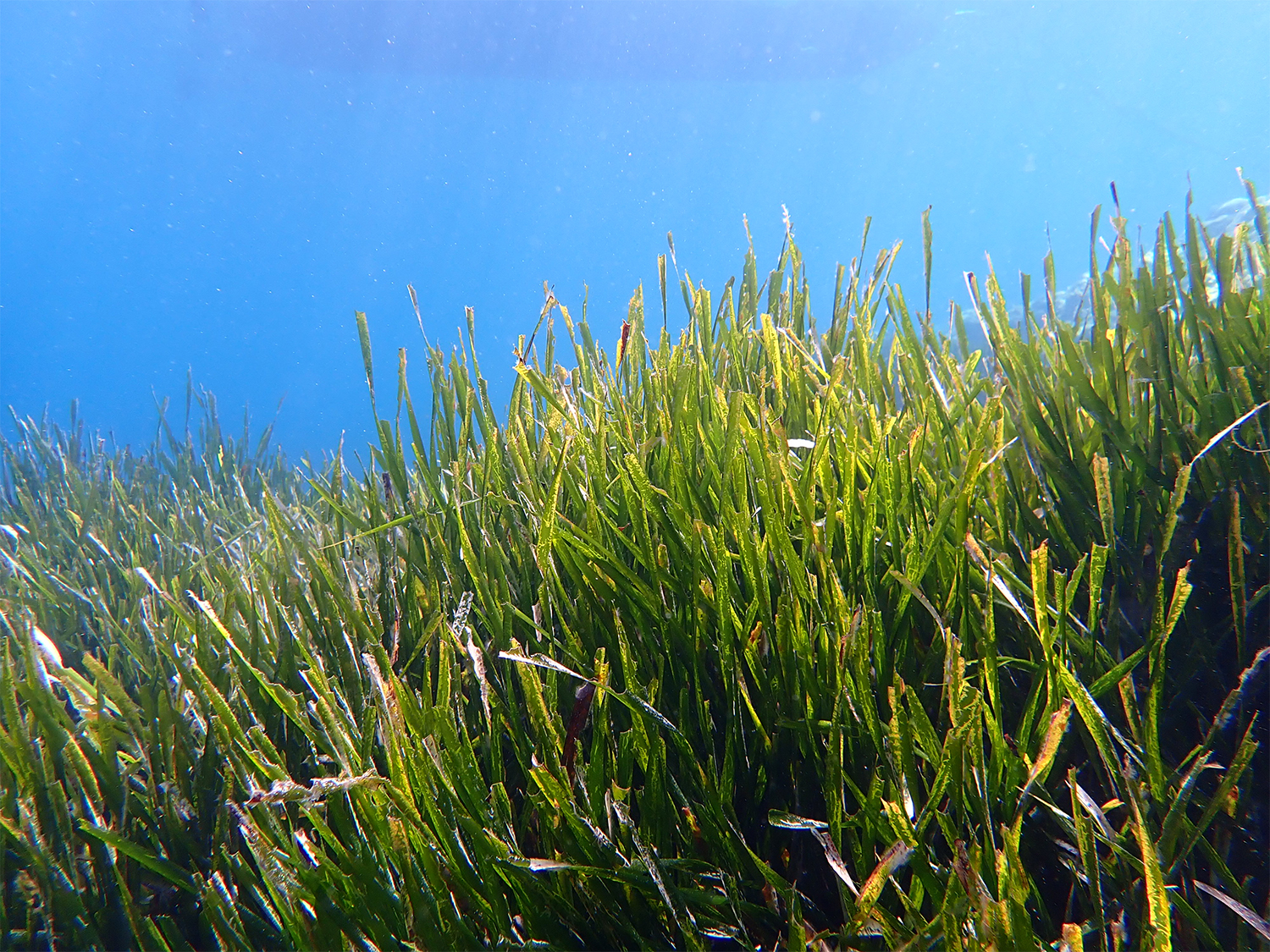
Natural ecological restoration is a cornerstone of modern conservation science and managers need more documented "success stories" to lead the way. In French mediterranean sea, we monitored Posidonia oceanica lower limit using acoustic telemetry and photogrammetry and investigated the descriptors driving its variations, at a national scale and over more than a decade.
We showed significant effects of environmental descriptors (region, sea surface temperature and bottom temperature) but also of wastewater treatment plant (WWTP) effluents proxies (size of WWTP, time since conformity, and distance to the closest effluent) on the meadows lower limit progression.
This work indicates a possible positive response of P. oceanica meadows to improvements in wastewater treatment and a negative effect of high temperatures. While more data is needed, the example of French wastewater policy should inspire stakeholders and coastal managers in their efforts to limit anthropogenic pressures on vulnerable ecosystems.